
About Me
Extinct animals are species that no longer exist anywhere on Earth, meaning the last living individual has died without leaving a genetic successor
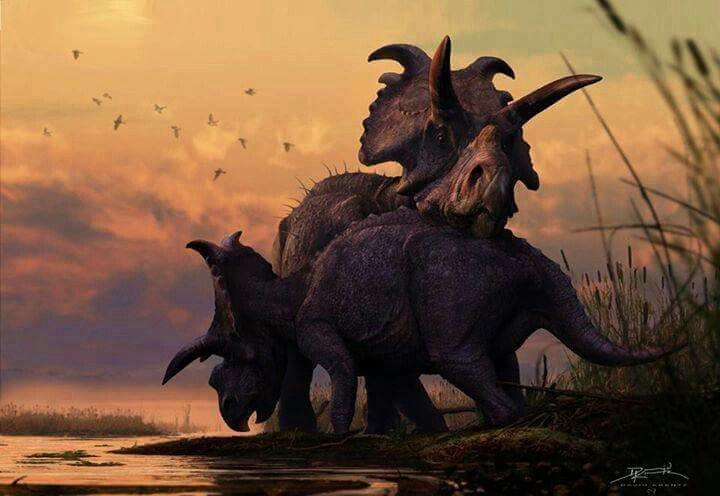
Cretaceous–Paleogene extinction event
The Cretaceous–Paleogene extinction event, formerly known as the Cretaceous-Tertiary extinction event, was a major mass extinction of three-quarters of the plant and animal species on Earth approximately 66 million years ago. The event caused the extinction of all non-avian dinosaurs.
My journey into health coaching began with a personal quest for well-being, which ignited a deep desire to help others find their path to health.
Rarest Dinosaurs
Spinosaurus
Spinosaurus is a genus of large spinosaurid theropod dinosaurs that lived in what now is North Africa during the Cenomanian stage of the Late Cretaceous period, about 100 to 94 million years ago
Minmi
Minmi is a genus of small herbivorous ankylosaurian dinosaur that lived during the early Cretaceous Period of Australia, about 120 to 112 million years ago.
Stegosaurus
Stegosaurus is a genus of herbivorous four-legged armored dinosaurs from the Late Jurassic, characterized by the distinctive kite-shaped upright plates along their backs and spikes on their tails.
Tyrannosaurus
Tyrannosaurus is a genus of large theropod dinosaur. The type species Tyrannosaurus rex, often shortened to T. rex or colloquially t-rex, is one of the best represented theropods. It lived throughout what is now western North America, on what was then an island continent known as Laramidia
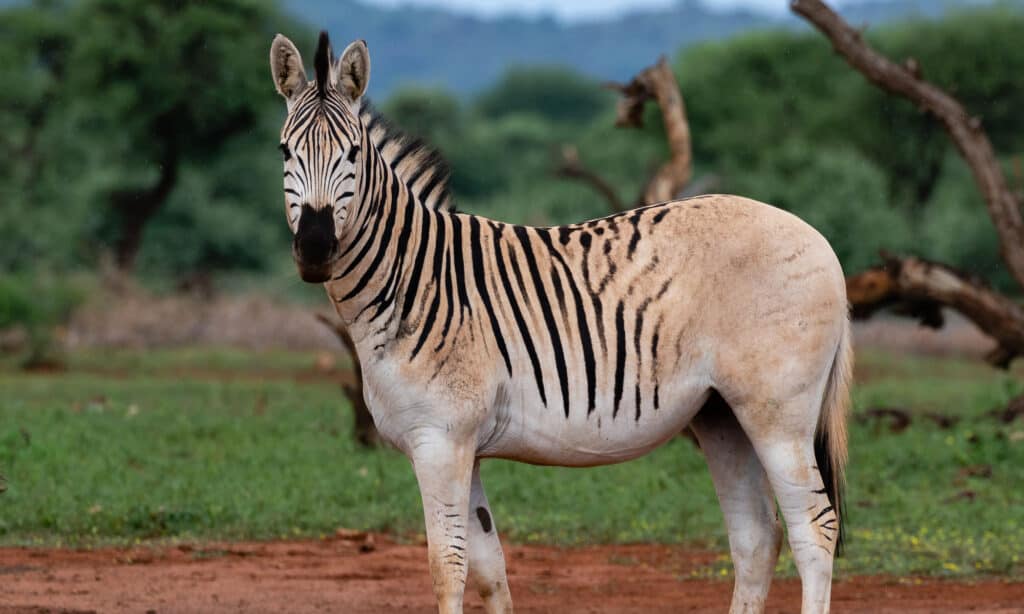
The quagga
The quagga is an extinct subspecies of the plains zebra that was endemic to South Africa until it was hunted to extinction in the late 19th century. It was long thought to be a distinct species, but mtDNA studies have supported it being a subspecies of plains zebra.
The coelacanth
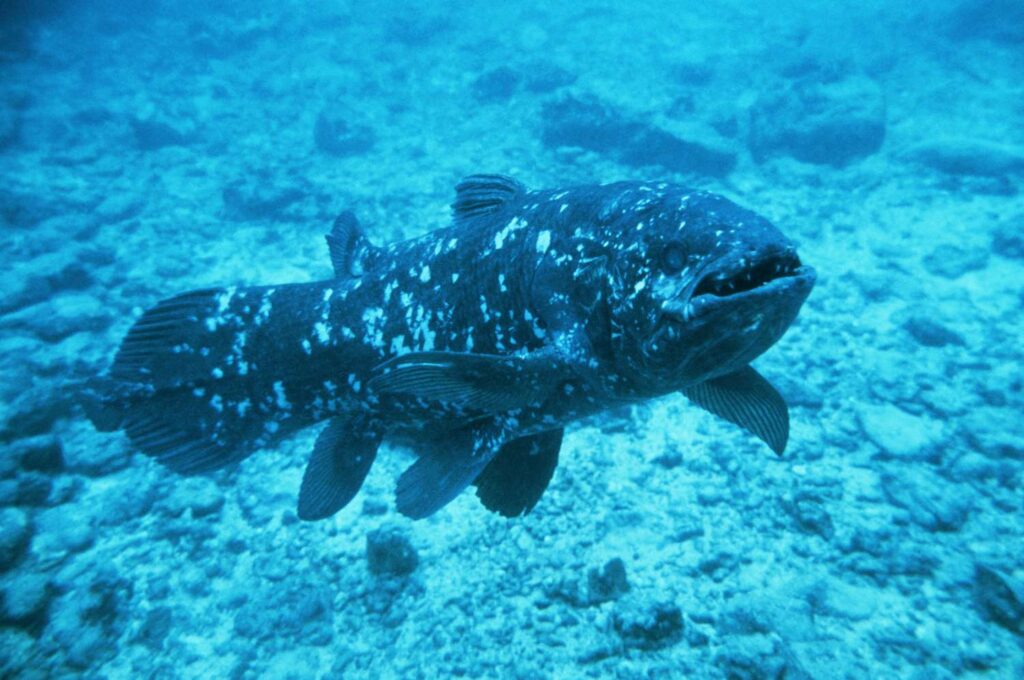
The coelacanth is a species of live fish that has a variety of distinguishing features. Previously only discovered from fossils, coelacanths were believed to …
Nassau grouper
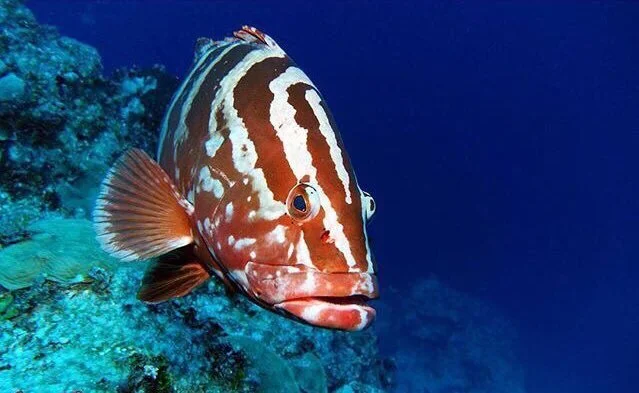
The Nassau grouper is one of the large number of perciform fishes in the family Serranidae commonly referred to as groupers. It is the most important of the groupers for commercial fishery in the West Indies, but has been endangered by overfishing.
92%
Happiness Rate
My clients report feeling happier more energized after completing their coaching program. health and wellness.
88%
Success in Habit Formation
Clients successfully adopt and sustain healthy habits over the long term, thanks to tailored strategies and consistent support.
82%
Improved Nutrition Knowledge
Clients leave the program with a deeper understanding of nutrition and how to make better food choices.
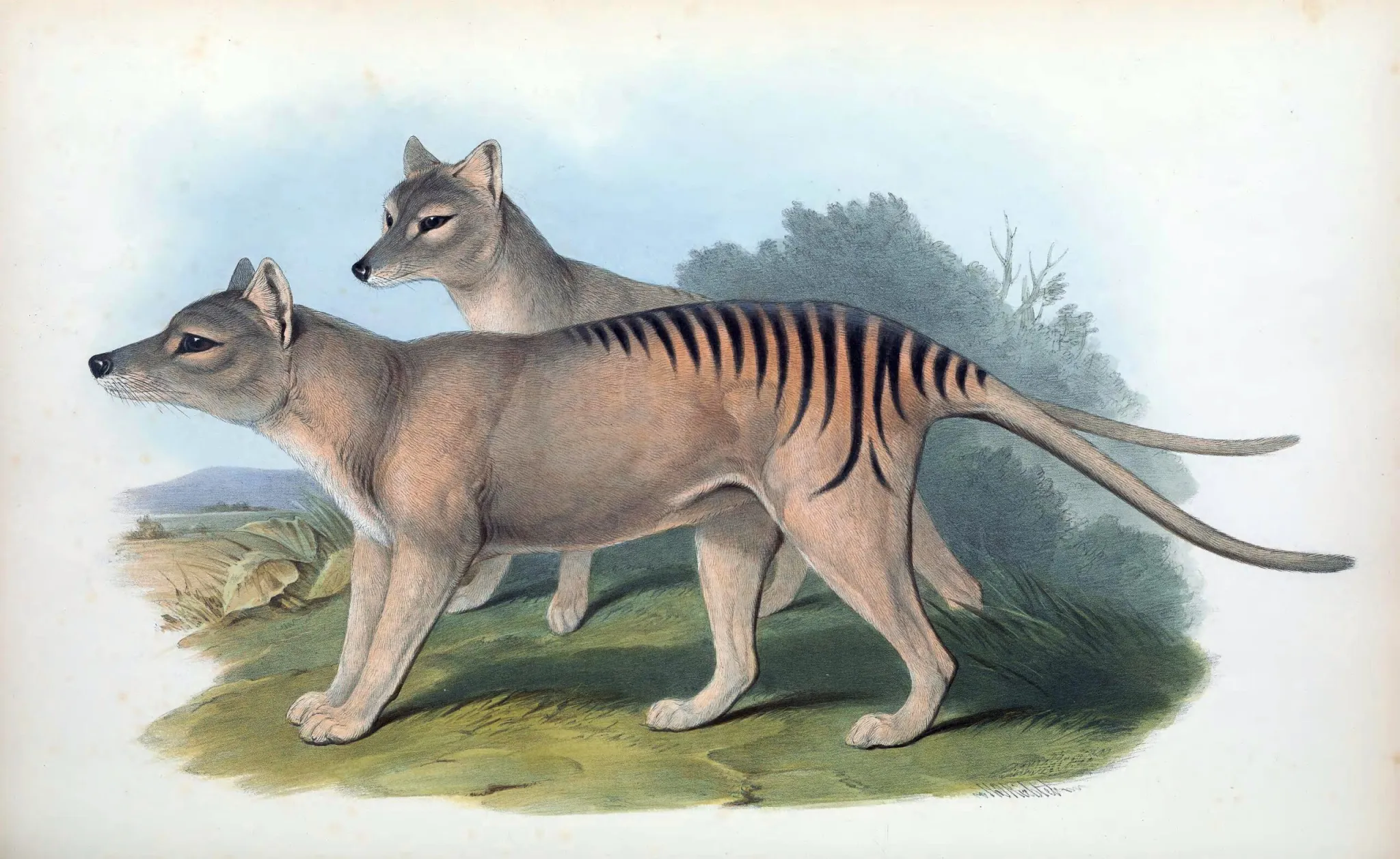
Thylacine
The thylacine, also commonly known as the Tasmanian tiger or Tasmanian wolf, is an extinct carnivorous marsupial that was native to the Australian mainland and the islands of Tasmania and New Guinea.
Famous Animals
The Pinta Island tortoise
The Pinta Island tortoise, also known as the Pinta giant tortoise, Abingdon Island tortoise, or Abingdon Island giant tortoise, is a recently extinct subspecies of Galápagos tortoise native to Ecuador’s Pinta Island. The subspecies was described by Albert Günther in 1877 after specimens arrived in London
Endangered
Endangered Species Today. In the past 200 years the world has lost many animal species. Hundreds of others are on the verge of extinction. Animals at risk …
Aurochs
The aurochs is an extinct species of bovine, considered to be the wild ancestor of modern domestic cattle. With a shoulder height of up to 180 cm in bulls and 155 cm in cows, it was one of the largest herbivores in the Holocene; it had massive elongated and broad horns that reached 80 cm in length.
woolly mammoth
The woolly mammoth is an extinct species of mammoth that lived from the Middle Pleistocene until its extinction in the Holocene epoch. It was one of the last in a line of mammoth species, beginning with the African Mammuthus subplanifrons in the early Pliocene.